

The Rebate & Incentive Rundown:
Effective January 1, 2026, Pend Oreille PUD is pleased to announce new cash-back rebates and incentives for residential customers! Our goal is to help you use energy more efficiently and keep more money in your pocket.
Our rebates and incentives help you make energy-efficient home improvements that can reduce your electricity bill—which also helps us reduce the amount of power we need to buy. Using only the energy required is more cost-effective for all of us, so we’re happy to guide you through your options.
Improve Your Comfort and Save on Your Bill Each Month
Investing in energy efficiency is one of the most effective ways to enhance home comfort and lower long‑term utility costs. Weatherization, HVAC upgrades, and efficient water heating may be more cost‑effective than anticipated, particularly with available utility incentives. In many cases, these upgrades can pay for themselves through reduced energy consumption.
Here is a quick summary of our current offerings*:
-
Insulation: $0.45 – $2.30 per sq. ft.
-
Windows & Patio Doors: $8.00 per sq. ft.
-
Exterior Doors: $40 ea.
-
Ductless Heat Pumps: $920
-
Heat Pumps: $600 – $1,560
-
Heat Pump Water Heaters: $1,400 – $2,200
-
Energy Star® Appliances: $20 - $125
Use the dropdowns below for all the details, rebate forms, and requirements.
*Funding for incentive and rebate programs are limited and not guaranteed. Before you do your project, please check with us to make sure you qualify and that funds are available. Rebate offers may be changed or discontinued by the Pend Oreille PUD at any time.

Rebates Available – Insulation
Improve the comfort of your home & reduce energy costs with proper insulation. Adding insulation to your home brings many benefits — most notably better energy efficiency and improved year-round comfort. We offer several rebates depending on where you're adding new insulation, at what level, and the amount of existing insulation you have in the space.
Why Upgrade your Insulation?
Attic, wall, and floor insulation can improve the thermal performance of your existing home. If properly installed, insulation will help maintain more constant and comfortable temperatures while preventing build-up of moisture and condensation. Always insulate to the maximum level achievable within the available space to meet the minimum required insulation R-value. Consider pairing with air sealing when possible to achieve maximum savings.
Cash-Back Rebates & Specifications for Insulation

Single Family Homes
-
Rebates for qualifying Attic Insulation:
Uninsulated Bare Attic: R-0 (no insulation)
Final Insulation: R-38 or higher
Rebate: $2.30 per square foot
Existing Insulation: R-11 and under (adding insulation to an attic that previously had light insulation)
Final insulation: R-38 or higher
Rebate: $1.05 per square foot
-
Rebates for qualifying Floor Insulation:
Uninsulated Bare Floor: R-0 (no insulation)
Final insulation: R-19 or higher
Rebate: $0.90 per square foot
-
Rebates for qualifying Wall Insulation (must be installed in exterior walls only. Interior walls do not qualify):
Uninsulated Bare Wall: R-0 (no insulation)
Final Insulation: R-11 or higher
Rebate: $2.00 per square foot
Manufactured Homes
-
Rebates for qualifying Attic Insulation:
Uninsulated Bare Attic: R-0 (no insulation)
Final Insulation: R-22 or higher
Rebate: $0.75 per square foot
Existing Insulation: R-11 and under (adding insulation to an attic that previously had light insulation)
Final Insulation: R-30 or higher
Rebate: $0.45 per square foot
-
Rebates for qualifying Floor Insulation:
Existing Insulation: R-0 (no insulation) to R-11
Final Insulation: R-22 or higher
Rebate: $0.60 per square foot
Rebate Details:
- To qualify for an insulation rebate, products can be self-installed or installed by a contractor. You can check here for licensed contractors in our area: Contractor Search – Comfort Ready Home.
- Insulation must be installed according to the BPA Residential Weatherization Specifications and Best Practices Guide.
- Installation & completion date must be on or after January 1, 2026.
- Rebate Application/Installation Form must be submitted within 90-days of installation.
- See documentation checklist & requirements outlined in the Rebate Application/Installation Form.
- At quick glance, documentation requirements include: detailed equipment or contractor invoice, completed Certificate of Insulation showing beginning & ending R-values, and pre and post-installation photos (if self-installed).
- Rebates are not guaranteed and must be approved by the PUD. If approved, you’ll receive a rebate check by mail approximately 6-8 weeks after applying.
Who is Eligible?
- This rebate is available for residential customers within Pend Oreille PUD’s service territory.
- It’s available for existing, electrically heated, single-family and manufactured homes. New construction is not eligible.
- Insulation must be installed in heated living spaces (no unheated garages, shops, additions, porches, or sunrooms – these do not qualify).
- Installations must comply with all applicable codes and regulations. Rebate is not- to-exceed cost of invoice.
- Insulation must meet R-value requirements.
Your energy savings and project costs will vary. Program requirements and rebate amounts are subject to change without notice. The PUD does not endorse any particular contractor, manufacturer or product. Rebate offer(s) may be changed or discontinued at any time. All warranties are offered through manufacturer not the utility, whether expressed or implied, regarding the product(s) listed on the Installation Form for any materials or labor associated with installation, maintenance, repair, or any energy savings associated with use. Rebate offer(s) apply to new product(s) only. Utility reserves the right to inspect installed product(s). Product(s) must meet all program criteria to qualify for rebate(s).
Questions?
We’re here to help! Talk to our Pend Oreille PUD Conservation Team by calling 509-447-3137 or via email at conservation@popud.org
Looking for more Insulation Program Information? See below for additional information and helpful links.
Assessing Insulation In a Crawlspace (video)
Mapping Your Home to Optimize Air Sealing (video)
Manufactured Home Insulation (pdf)
Single-Family Home Insulation Guide from Comfort Ready Home
R-Value Explained:
Insulation resistance value, commonly known as R-value, is the capacity or measure of the insulation materials to resist heat transfer from one side of an object to another (how well the insulation can keep heat from passing through it). The higher the R-value of the materials, the more effective it is at insulating the area. R-value can be dependent on the type of material or the thickness used. If you have existing insulation: Measure the depth of your insulation (take a photo!) and refer to the types of insulation listed in the section below to calculate your current total R-value.
Your Current Insulation
Take a look in your attic or crawlspace – what does your insulation look like? Read the descriptions below to help identify what insulation type you have currently and determine its R-value.
Common Insulation Types
- Batts (Fiberglass Rolls): Lightweight yellow, pink, or white insulation that looks like sheets of cotton candy. Measure its depth in inches and multiple by 3.2 to get your total R-value.
- Granules: Small, pebble-like particles may be vermiculite or perlite. Measure its depth in inches and multiply by 2.7 for the R-value. Important! This type may contain asbestos — professional testing and removal may be necessary.
- Paper Fibers: Gray, fluffy fibers that resemble shredded newspaper are probably cellulose insulation. Measure its depth in inches and multiply by 3.7 for the R-value
- Dense Fibers: Heavy, gray or off-white material — sometimes with black specks — is likely rock wool insulation. Measure its depth in inches and multiply by 2.8 for the R-value.
- Loose Fibers: Light, fluffy yellow, pink, or white material that isn't in batt form is likely loose-fill fiberglass. Measure its depth in inches and multiply by 2.5 for the R-value.
More around the various types of insulation and their benefits.
- Batts (or rolls) are the most common and available form of insulation, and are often referred to as blanket insulation.
- Benefits: Flexible fiberglass batts are manufactured in the right size to fit between wall joists, studs and under floors, and can be easily cut by hand and installed.
- Foam board and rigid foam insulation sheets are available in various lengths, widths and densities, and can be used almost anywhere in your home.
- Benefits: Can perform up to two times greater than other insulation types with the same thickness and can be purchased at your local home improvement store.
- Loose fill or blow-in is made of small particles of different materials that can be blown into areas.
- Benefits: Can be blown into areas that may be hard to reach or where it is difficult to apply other types of insulation. Commonly used materials for loose-fill or blow-in are:
-
-
- Cellulose: recycled newsprint.
- Fiberglass: comprises 40%-60% recycled glass
- Mineral wool: 75% post-industrial recycled content
-
- Spray foam insulation is a liquid mixture that can be sprayed, injected or poured into place to insulate and reduce air leakage.
- Benefits: Conforms to the space where it is applied and is very effective at sealing small cavities and cracks. Some types can have a higher R-value than traditional batt and roll insulation.
Other Considerations:
Air Sealing - Along with insulation, air sealing is another important and cost-effective way to increase comfort throughout your home. Air leakage and improperly installed insulation can waste 20% or more of the energy used to heat or cool a home (Energy Star). Properly sealing the gaps and cracks in your home will:
- Reduce indoor pollutants and control moisture.
- Mitigate air leakage through gaps and cracks found in your home.
- Help your heating and cooling equipment work more efficiently.
Caulking - Caulk can be used to fill cracks, gaps, or joints that are less than a quarter inch wide and allow air to escape from your home. These compounds come in various materials, including silicone, latex and polyurethane foam, and are made for specific areas and purposes. To seal gaps around working windows and doors, use weather stripping, which is typically made of vinyl, rubber or poly foam. Weather stripping can be attached to existing windows and doors to reduce drafts, increase comfort and reduce noise.
Rebates Available – Windows & Door Replacements
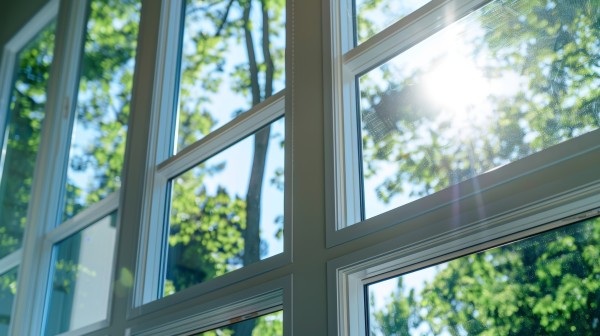
A great way to improve on energy efficiency in a home is to replace old windows & door. Give your home a facelift while improving your comfort and increasing the value of your home. We are pleased to offer an incentive to customers with electrically heated homes who replace qualifying windows, sliding glass doors, and insulated exterior doors with new energy efficient models.
Why Upgrade your Windows & Doors?
Upgrading your windows and patio doors with insulated, Low-E glass is recommended when you experience high energy bills, problems with window operation, noticeable leakage and/or damaged and decayed frame(s), and/or condensation. Savings come from replacing existing single-pane windows, double-pane windows or patio doors with any frame type.
Cash-Back Rebates for Windows & Doors

$8 per sq. ft. for qualifying Windows & Patio Doors
$40 ea. for qualifying Exterior Doors
Rebate Details:
- To qualify for a windows/doors rebate, products can be self-installed or installed by a contractor. You can check here for licensed contractors in our area: Contractor Search – Comfort Ready Home.
- Window and doors must be installed according to the BPA Residential Weatherization Specifications and Best Practices Guide.
- Installation & completion date must be on or after January 1, 2026.
- Rebate Application/Installation Form must be submitted within 90-days of installation.
- See documentation checklist & requirements outlined in the Rebate Application/Installation Form.
- At quick glance, documentation requirements include: equipment or contractor invoice, NFRC stickers or manufacturer’s specification confirming U-value for each window/patio door, and a completed “Windows Worksheet” or similar.
- Rebates are not guaranteed and must be approved by the PUD. If approved, you’ll receive a rebate check by mail approximately 6-8 weeks after applying.
Who is Eligible?
- This rebate is available for residential customers within Pend Oreille PUD’s service territory.
- It’s available for existing, electrically heated, single-family and manufactured homes. New construction is not eligible.
- Windows or patio doors must be installed in heated living spaces (no unheated garages, shops, additions, porches, or sunrooms – these do not qualify).
- Patio doors include sliding or French glass doors.
- Prime windows include skylights, provided they meet all pre and post condition requirements.
- Installations must comply with all applicable codes and regulations. Rebate is not- to-exceed cost of invoice.
- New windows or patio doors must meet U-factor rating requirements listed below.
Specifications for Windows/Patio Doors:
- Replacement windows must have a NFRC U-Factor of .30 or lower.
- Replacement patio doors must have a NFRC U-Factor of .35 or lower.
- Pre-existing windows must be single-pane or double-pane in any frame.
Specifications for Exterior Insulated Door
- Must be Energy Star Certified.
- Must replace an uninsulated exterior door.
- Must be a pre-hung door with a threshold.
- Multifamily mid-or high-rise homes do not qualify.
Your energy savings and project costs will vary. Program requirements and rebate amounts are subject to change without notice. The PUD does not endorse any particular contractor, manufacturer or product. Rebate offer(s) may be changed or discontinued at any time. All warranties are offered through manufacturer not the utility, whether expressed or implied, regarding the product(s) listed on the Installation Form for any materials or labor associated with installation, maintenance, repair, or any energy savings associated with use. Rebate offer(s) apply to new product(s) only. Utility reserves the right to inspect installed product(s). Product(s) must meet all program criteria to qualify for rebate(s).
Questions?
We’re here to help! Talk to our Pend Oreille PUD Conservation Team by calling 509-447-3137 or via email at conservation@popud.org.
Looking for more Window & Door Program Information? See below for additional information and helpful links.
Why are Windows so Important? (Video)
Window & Door Replacement Guide from Comfort Ready Home
U-Factor Explained:
When replacing your windows or patio doors, you'll need to look for the U-factor—a measure of how well the glass prevents heat from passing through it. To receive a rebate, the U-factor number must be at or lower than stated above. U-Factor measures the rate of heat transmission, so the lower the number, the better!
You can find the National Fenestration Rating Council (NFRC) U-factor rating on the manufacturer sticker on your new windows or patio doors. No sticker? Don’t buy the window.
Benefits of Installing New Windows & Doors:
- Protect from water and moisture entering the house through the walls, which can cause moisture damage and weaken the building structure.
- Reduce outside noise.
- Help eliminate drafts, cold spots and overheated spaces.
- Insulated exterior doors reduce drafts.
Rebates Available – Ductless Heat Pump Program
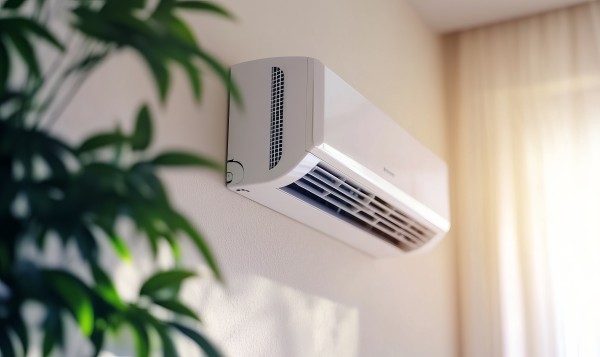
Replacing an older heating system with an energy-efficient ductless heat pump will improve the comfort in your home and conserve energy. Save on heating and cooling with a high efficiency Ductless Heat Pump (DHP) which uses a fraction of the electricity compared to electric furnaces, wall heater, and baseboard heaters.
Why Install a Ductless Heat Pump?
Heat pumps have the potential to deliver significant savings on your home heating bill because they deliver energy more efficiently than other sources. Heat pumps are actually air conditioners that include a reverse cycle for heating, so they cool homes in summer and heat them in winter.
Ductless units, otherwise known as a mini-split system, is a highly efficient heating and cooling system. It is easily installed as a new primary heat source for electrically heated homes. These systems heat and cool homes at a fraction of the cost of electric resistance heat all while making your home more comfortable. Other great benefits of DHPs:
- They do not require expensive and invasive duct-work.
- Installation is as simple as mounting the indoor and outdoor units, connecting refrigerant lines, and making a few electrical connections.
- They are safer, quieter and heat rooms evenly by using an ultra-quiet fan.
- Systems come standard with air conditioning—no more window units!
Cash-Back Rebates for Ductless Heat Pumps
 $920 Rebate for the installation of a single or multi-head system in homes heated with an electric furnace or electric zonal heat (7.5 or greater HSPF2).
Rebate Details:
- To qualify for a Ductless Heat Pump rebate, product can be self-installed or installed by a contractor. You can check here for licensed contractors in our area: Contractor Search – Comfort Ready Home.
- Installations must follow Comfort Ready Home Best Practices for Installing Ductless Heating and Cooling Systems.
- System must be installed in accordance with manufacture specifications, including adherence to proper refrigerant charging.
- Home must have a current, primary heat source that is either:
- Forced-air electric furnace, or
- Zonal electric resistance heating (baseboard, ceiling, wall, etc.)
- Rebate Application/Installation Form must be submitted within 90-days of installation.
- See documentation checklist & requirements outlined in the Rebate Application/Installation Form.
- At quick glance, documentation requirements include: the final equipment/contractor invoice and AHRI certificate.
- Pre-approval is strongly encouraged to ensure you meet eligibility requirements.
- Rebates are not guaranteed and must be approved by the PUD. If approved, you’ll receive a rebate check by mail approximately 6-8 weeks after applying.
Who is Eligible?
- This rebate is available for residential customers within Pend Oreille PUD’s service territory.
- Available for existing single-family and existing manufactured homes. New construction is not eligible.
- Heat Pumps must be AHRI rated and meet or exceed current federal minimum standards for HSPF2 (HSPF2 7.5 as of January 1, 2023).
- Installations must comply with all applicable codes and regulations. Rebate is not- to-exceed cost of invoice.
- Limited to one rebate per metered home.
Your energy savings and project costs will vary. Program requirements and rebate amounts are subject to change without notice. The PUD does not endorse any particular contractor, manufacturer or product. Rebate offer(s) may be changed or discontinued at any time. All warranties are offered through manufacturer not the utility, whether expressed or implied, regarding the product(s) listed on the Installation Form for any materials or labor associated with installation, maintenance, repair, or any energy savings associated with use. Rebate offer(s) apply to new product(s) only. Utility reserves the right to inspect installed product(s). Product(s) must meet all program criteria to qualify for rebate(s).
Questions?
We’re here to help! Talk to our Pend Oreille PUD Conservation Team by calling 509-447-3137 or via email at conservation@popud.org.
Looking for More Heat Pump Information? See below for additional information and helpful links.
Heat Pump Guide from Comfort Ready Home
When is it the right time to replace a water heater or heat pump? (video)
Living in Comfort with a Cold Climate Heat Pump (video)
Acronym Salad: What exactly AHRI, HSPF, and SEER ?
We rely on the Air Conditioning, Heating and Refrigeration Institute, or AHRI — a third-party testing entity — to certify the energy efficiency of equipment, using Heating Seasonal Performance Factor, or HSPF metrics for heat pump efficiency during the heating season and the Seasonal Energy Efficiency Rating, or SEER, during cooling season.
- AHRI certificates can be found here: AHRI Certification Directory
- HSPF is a metric used to measure the energy efficiency of heating devices, particularly air-source heat pumps. The HSPF is calculated by dividing the total heating output (in BTUs) by the total energy consumption (in watt-hours) during a heating season. A higher HSPF rating indicates a more energy-efficient heating system, which can lead to lower electricity bills.
- SEER is a standardized metric used to measure how efficiently an air conditioner or heat pump uses electricity over a typical cooling season. A higher SEER rating indicates greater energy efficiency. The SEER rating is calculated as the ratio of the system’s total seasonal cooling output (in BTUs) to total electrical energy input (in watt-hours) during the same period.
How Heat Pumps Work
With a process similar to refrigeration, the heat pump system picks up heat from the air and releases inside the home or outside depending on the season. In winter, heat is extracted from the outside air by a refrigerant, concentrated by a compressor, circulated through the heat pump’s coils and sent into your home’s duct system. In summer the process is reversed: The pump extracts heat from the air inside and transfers it outside.
When the outside temperature drops below approximately 35 degrees (or if the heat pump fails) a backup system kicks in (usually an electric furnace). The back-up system will also switch on to speed up heating when the thermostat setting is increased, but this auxiliary heat is more expensive to operate than the heat pump. Consider using a special heat pump thermostat, which will regulate temperature changes during the day and night, and operate your heat pump more efficiently.
Rebates Available – Heat Pump Program
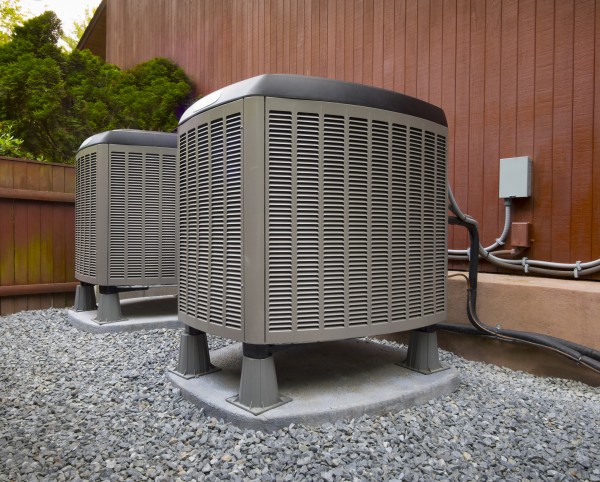
Replacing an older heating system with an energy-efficient heat pump will improve the comfort in your home and conserve energy. Save on heating and cooling with a high efficiency Ducted Air-Source Heat Pump or Variable Speed Heat Pump which use about 40-55% less energy per year compared to electric furnaces and baseboard heaters.
Why Install a Heat Pump?
Heat pumps have the potential to deliver significant savings on your home heating bill because they deliver energy more efficiently than other sources. Heat pumps are actually air conditioners that include a reverse cycle for heating, so they cool homes in summer and heat them in winter.
We offer incentives for the installation of heat pumps! You may qualify for a rebate of between $600 and $1,560, depending on the type of heat pump and your existing heating method. The heat pump must be installed by a licensed contractor.
Cash-Back Rebates for Ducted Air-Source Heat Pumps (ASHP) and Variable Speed Heat Pumps (VSHP)

$1,250 Rebate for Air-Source Heat Pump (ASHP) Conversion from Electric Forced-Air Furnace.
$1,560 Rebate for Variable-Speed Heat Pump (VSHP) Conversion from Electric Forced-Air Furnace.
$600 Rebate for a Variable-Speed Air-Source Heat Pump Upgrade
Rebate Details:
- A licensed contractor must install the new heat pump. You can check here for licensed contractors in our area: Contractor Search – Comfort Ready Home.
- Installations must follow BPA’s Best Practices for Installing Heating and Cooling Systems.
- Installation & completion date must be on or after January 1, 2026.
- Rebate Application/Installation Form must be submitted within 90-days of installation.
- See documentation checklist & requirements outlined in the Rebate Application/Installation Form.
- At quick glance, documentation requirements include: the final equipment/contractor invoice and AHRI certificate.
- Pre-approval is strongly encouraged to ensure you meet eligibility requirements.
- Rebates are not guaranteed and must be approved by the PUD. If approved, you’ll receive a rebate check by mail approximately 6-8 weeks after applying.
Who is Eligible?
- This rebate is available for residential customers within Pend Oreille PUD’s service territory.
- Available for existing single-family and existing manufactured homes. New construction is not eligible.
- For qualifying conversions to an ASHP or VSHP, existing heating system type must be an electric forced air furnace, with or without air conditioning.
- For an upgrade to a VSHP, existing heating system can be a DHP, ASHP, Zonal electric, Wood/Oil/Propane/Gas, or no existing heating.
- Heat Pumps must be AHRI rated and meet or exceed current federal minimum standards for HSPF2 and SEER2 (HSPF2 7.5 and SEER2 14.3 as of January 1, 2023).
- Installations must comply with all applicable codes and regulations. Rebate is not- to-exceed cost of invoice.
- Limited to one* rebate per dwelling unit. *Homes with heated floor area greater than 4,500 sq ft or with two separate duct systems may claim up to two heat pump rebates when two qualifying systems are installed.
Your energy savings and project costs will vary. Program requirements and rebate amounts are subject to change without notice. The PUD does not endorse any particular contractor, manufacturer or product. Rebate offer(s) may be changed or discontinued at any time. All warranties are offered through manufacturer not the utility, whether expressed or implied, regarding the product(s) listed on the Installation Form for any materials or labor associated with installation, maintenance, repair, or any energy savings associated with use. Rebate offer(s) apply to new product(s) only. Utility reserves the right to inspect installed product(s). Product(s) must meet all program criteria to qualify for rebate(s).
Questions?
We’re here to help! Talk to our Pend Oreille PUD Conservation Team by calling 509-447-3137 or via email at conservation@popud.org.
Looking for More Heat Pump Information? See below for additional information and helpful links.
When is it the right time to replace a water heater or heat pump? (Video)
Living in Comfort with a Cold Climate Heat Pump (Video)
Heat Pump Guide from Comfort Ready Home
Acronym Salad: What exactly AHRI, HSPF, and SEER ?
We rely on the Air Conditioning, Heating and Refrigeration Institute, or AHRI — a third-party testing entity — to certify the energy efficiency of equipment, using Heating Seasonal Performance Factor, or HSPF metrics for heat pump efficiency during the heating season and the Seasonal Energy Efficiency Rating, or SEER, during cooling season.
- AHRI certificates can be found here: AHRI Certification Directory
- HSPF is a metric used to measure the energy efficiency of heating devices, particularly air-source heat pumps. The HSPF is calculated by dividing the total heating output (in BTUs) by the total energy consumption (in watt-hours) during a heating season. A higher HSPF rating indicates a more energy-efficient heating system, which can lead to lower electricity bills.
- SEER is a standardized metric used to measure how efficiently an air conditioner or heat pump uses electricity over a typical cooling season. A higher SEER rating indicates greater energy efficiency. The SEER rating is calculated as the ratio of the system’s total seasonal cooling output (in BTUs) to total electrical energy input (in watt-hours) during the same period.
How Heat Pumps Work
With a process similar to refrigeration, the heat pump system picks up heat from the air and releases inside the home or outside depending on the season. In winter, heat is extracted from the outside air by a refrigerant, concentrated by a compressor, circulated through the heat pump’s coils and sent into your home’s duct system. In summer the process is reversed: The pump extracts heat from the air inside and transfers it outside.
When the outside temperature drops below approximately 35 degrees (or if the heat pump fails) a backup system kicks in (usually an electric furnace). The back-up system will also switch on to speed up heating when the thermostat setting is increased, but this auxiliary heat is more expensive to operate than the heat pump. Consider using a special heat pump thermostat, which will regulate temperature changes during the day and night, and operate your heat pump more efficiently.
Heat Pump Operating and Maintenance Tips
- Insulate your home and ductwork for greatest cost savings.
- Check and clean air filters regularly and replace them when needed.
- Keep all registers open fully to maintain airflow balance.
- Keep the area around your outdoor condensing unit clear of weeds and other obstructions that might interfere with the air flow.
- Remove grates and vacuum heat registers occasionally to clear away dust and other debris.
- Check ducts yearly for loose connections and holes.
- Inspect the indoor cooling coil in the fan unit to make sure the condensate drain is draining water properly.
Rebates Available - Heat Pump Water Heater Program
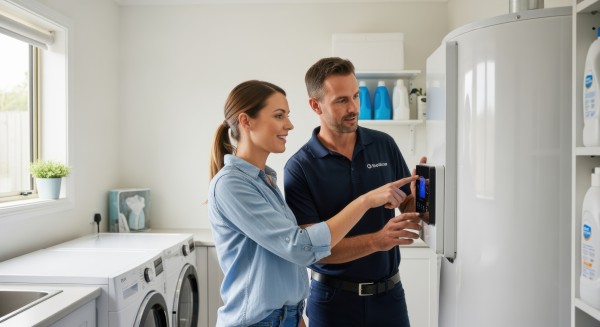
Heat pump water heaters (HPWHs) are the efficient alternative to traditional water heating. We currently offer rebates between $1,400 and $2,200 for qualifying heat pump water heaters. Upgrade to a heat pump water heater, also known as a hybrid water heater, to save up to 70% of hot water energy costs compared to standard electric models.
Why Install a Heat Pump Water Heater?
Most heat pump water heaters are two to three times more efficient than traditional electric water heaters, and have lower operating costs. However, HPWH systems typically cost more to buy and install than traditional heaters, and must be installed in an appropriate space such as a garage or basement.
To learn more about whether a HPWH is right for your home, please continue reading below, but first - try this interactive Heat Pump Water Heater Selector Tool from Hot Water Solutions Northwest.
Cash-Back Rebates for Heat Pump Water Heaters

$1,400 Rebate for a 40-gallon Unitary HPWH, any tier.
$1,600 Rebate for a 50-gallon or higher Unitary HPWH Tier 3 or 4.
$2,200 Rebate for a Split-System Model HPWH (any size).
Rebate Details:
- HPWHs can be self-installed or installed by a licensed contractor. You can check here for contractors in our area: Contractor Search – Comfort Ready Home.
- Installation & completion date must be on or after January 1, 2026.
- Rebate Application/Installation Form must be submitted within 90-days of installation.
- See documentation checklist & requirements outlined in the Rebate Application/Installation Form.
- At quick glance, documentation requirements include: the final equipment/contractor invoice and verification that the manufacturer and model number of installed unit is listed on BPA’s HPWH Qualified Products List.
- Rebates are not guaranteed and must be approved by the PUD. If approved, you’ll receive a rebate check by mail approximately 6-8 weeks after applying.
Who is Eligible?
- This rebate is available for residential customers within Pend Oreille PUD’s service territory.
- Existing single-family, multi-family and manufactured homes all qualify for the heat pump water heater (HPWH) rebate. The HPWH must replace an electric storage water heater on a one-for-one basis. New construction is not eligible.
- HPWHs must be new; listed on the HPWH qualified products list as meeting Tier 3 or 4 requirements of the Northern Climate Specification; and installed according to manufacturer’s specifications.
- Limit of one heat pump water heater rebate per home unless the home currently has two existing water heaters of at least 50 gallons each. In these cases, a rebate can also be available on the installation of a second qualifying unit.
- Installations must comply with all applicable codes and regulations. Rebate is not- to-exceed cost of invoice.
Your energy savings and project costs will vary. Program requirements and rebate amounts are subject to change without notice. The PUD does not endorse any particular contractor, manufacturer or product. Rebate offer(s) may be changed or discontinued at any time. All warranties are offered through manufacturer not the utility, whether expressed or implied, regarding the product(s) listed on the Installation Form for any materials or labor associated with installation, maintenance, repair, or any energy savings associated with use. Rebate offer(s) apply to new product(s) only. Utility reserves the right to inspect installed product(s). Product(s) must meet all program criteria to qualify for rebate(s).
Questions?
We’re here to help! Talk to our Pend Oreille PUD Conservation Team by calling 509-447-3137 or via email at conservation@popud.org.
Looking for More Heat Pump Water Heater Information? See below for additional information and helpful links.
Your Guide to Efficient Water Heating (from Hot Water Solutions Northwest & Northwest Energy Efficiency Alliance (NEEA))
HPWH Quick Fact Guide (Video)
HPWH Installation Guide (Video)
User Guide for HPWHs (Video)
Heat Pump Water Heater Guide from Comfort Ready Home
How Heat Pump Water Heaters Work
To heat water, heat pump technology is used to extract heat from surrounding air and transfer it into the storage tank. HPWHs work like a refrigerator, but in reverse: While a refrigerator pushes heat from inside the unit out to the surrounding air, a HPWH uses fans and an evaporator to pull warmth from the surrounding air, then transfer it to water in the storage tank.
There are different types of heat pump water heaters:
- Integrated units: Also called one-piece, drop-ins, or standalones. Some of these heat pump water heaters can be fitted with intake and/or exhaust ducts, according to the needs of a particular installation location.
- Split systems: Feature a heat pump compressor that is separate from the tank to provide flexibility in installation locations.
Benefits of HPWHs:
- User-friendly digital temperature controls with vacation settings and options for operating modes.
- Can reduce your overall electric bill by 10%.
- Incentivized units have a minimum 10-year warranty.
Rebates Available – Energy Star Appliances
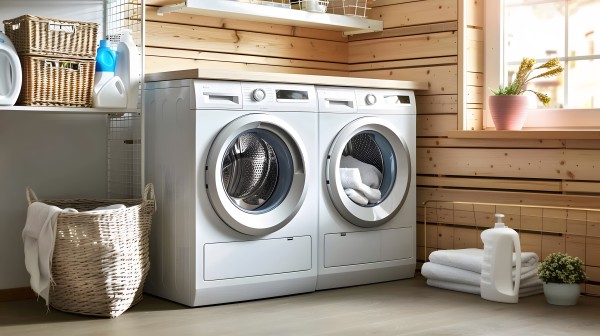
Clothes Washers: Energy Star ® qualified clothes washers use 50% less energy than standard washers. Most Energy Star ® qualified washers extract more water from clothes during the spin cycle. This reduces the drying time and saves energy and wear and tear on your clothes.
Clothes Dryers: Energy Star ® qualified clothes dryers use 20% less energy than conventional models. Most Energy Star ® qualified dryers use energy saving technologies such as moisture sensors that automatically shut off the dryer when clothes are dry. This reduces the drying time and saves energy and money.
Electric Vehicle (EV) Chargers: Energy Star ® qualified EV chargers use 40% less energy than a standard EV charger in standby mode.
Rebates for Energy Star® Appliances

$38 Clothes Washer Rebate
$50 Clothes Dryer Rebate
$125 Clothes Washer Rebate – When in a shared common area of multifamily housing (5 units or more).
$20 Level 2 Networked Electric Vehicle Charger
Rebate Details:
- New appliances can be homeowner or contractor installed.
- Installation & completion date must be on or after January 1, 2026.
- Rebate Application/Installation Form must be submitted within 90-days of installation.
- See documentation checklist & requirements outlined in the Rebate Application/Installation Form.
- At quick glance, documentation requirements include: Equipment or contractor invoice and Energy Star ® certification documentation.
- Rebates are not guaranteed and must be approved by the PUD. If approved, you’ll receive your rebate in the form of a credit on your PUD account approximately 6-8 weeks after applying.
All appliances must be Energy Star ® certified and on the corresponding qualified products lists:
Energy Star ®-Certified Clothes Washer Qualified Products List
Energy Star ®-Certified Clothes Dryer Qualified Products List
Energy Star ®-Certified Electric Vehicle Chargers Qualified Products List
Who is Eligible?
- This rebate is available for all residential buildings (single family, manufactured, multifamily, and multifamily common areas) within Pend Oreille PUD’s service territory.
- Installations must comply with all applicable codes and regulations. Rebate is not- to-exceed cost of invoice.
Your energy savings and project costs will vary. Program requirements and rebate amounts are subject to change without notice. The PUD does not endorse any particular contractor, manufacturer or product. Rebate offer(s) may be changed or discontinued at any time. All warranties are offered through manufacturer not the utility, whether expressed or implied, regarding the product(s) listed on the Installation Form for any materials or labor associated with installation, maintenance, repair, or any energy savings associated with use. Rebate offer(s) apply to new product(s) only. Utility reserves the right to inspect installed product(s). Product(s) must meet all program criteria to qualify for rebate(s).
Questions?
We’re here to help! Talk to our Pend Oreille PUD Conservation Team by calling 509-447-3137 or via email at conservation@popud.org.
Rebates Available – Smart Thermostat Program
Comfort gets a high-tech makeover! A home that helps you make smarter energy choices, no that’s comfort!
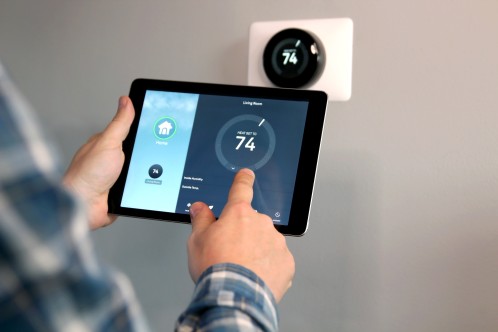
Installing a smart thermostat can reduce energy waste, while still keeping your home comfortable. If you’re a Pend Oreille PUD customer currently heating your home with an electric furnace or air-source heat pump, you may qualify for the $140 smart thermostat incentive.
Rebates for Smart Thermostats

$140 for qualifying Smart Thermostat
Rebate Details:
- Qualifying Smart thermostat can be homeowner or contractor installed.
- Rebate Application/Installation Form must be submitted within 90-days of installation.
- See documentation checklist & requirements outlined in the Rebate Application/Installation Form.
- At quick glance, documentation requirements include: a copy of the receipt showing manufacture, model number, purchase date and price.
- Smart Thermostat must be listed on the qualified products list: BPA's Residential Advanced Smart Thermostat Qualified Products List
- Rebates are not guaranteed and must be approved by the PUD. If approved, you’ll receive your rebate in the form of a credit on your PUD account approximately 6-8 weeks after applying.
Who is Eligible?
- This rebate is available for residential customers within Pend Oreille PUD’s service territory. Limited to one rebate per household.
- Installations must comply with all applicable codes and regulations. Rebate is not- to-exceed cost of invoice.
Your energy savings and project costs will vary. Program requirements and rebate amounts are subject to change without notice. The PUD does not endorse any particular contractor, manufacturer or product. Rebate offer(s) may be changed or discontinued at any time. All warranties are offered through manufacturer not the utility, whether expressed or implied, regarding the product(s) listed on the Installation Form for any materials or labor associated with installation, maintenance, repair, or any energy savings associated with use. Rebate offer(s) apply to new product(s) only. Utility reserves the right to inspect installed product(s). Product(s) must meet all program criteria to qualify for rebate(s).
Questions?
We’re here to help! Talk to our Pend Oreille PUD Conservation Team by calling 509-447-3137 or via email at conservation@popud.org.
Looking for more Smart Thermostat Information?
See below for additional information and helpful links.
Smart Thermostat Guide from Comfort Ready Home
Are you wondering if a Smart Thermostat is right for you? Here is some useful information from ENERGY STAR® that may make your decision easier.
What is a smart thermostat?
A smart thermostat is a Wi-Fi enabled device that automatically adjusts heating and cooling temperature settings in your home for optimal performance. Smart thermostats that earn the ENERGY STAR® label have been independently certified, based on actual field data, to deliver energy savings.
While system designs may vary, common smart thermostat features include:
- Convenience - Many smart thermostats learn your temperature preferences and establish a schedule that automatically adjusts to energy-saving temperatures when you are asleep or away. Geofencing allows your smart thermostat to know when you’re on the way home and automatically adjusts your home’s temperature to your liking.
- Control - Wi-Fi enabled thermostats allow you to control your home’s heating and cooling remotely through your smartphone. ENERGY STAR® certified smart thermostats quickly enter a low-power standby mode when inactive.
- Insight - Smart thermostats provide equipment use and temperature data you can track and manage. Periodic software updates ensure your smart thermostat is using the latest algorithms and energy-saving features available.
How Does a Smart Thermostat Save Energy?
- Heating and cooling consume the greatest amount of energy in a household. Smart Thermostats provide an affordable and easy way for homeowners to control the use of their heating and cooling system, and potentially lower the costs of their electric bills using features such as:
- Occupancy sensors that can assess if a person is away to conserve energy when they are not at home.
- Learning algorithms that avoid the need to program a set schedule.
- Ability for homeowners to control the heating and cooling system remotely through wireless apps on their phones or tablets (especially valuable for homeowners with second homes).
- Feedback notifications on the energy-saving potential of your thermostat set point and other efficient settings.
- Ability to monitor previous electric-use data and having smarter control of your heating and cooling system when it’s not needed at full capacity.
- Programming allows you to match HVAC operation more accurately with actual occupancy (i.e., work schedules, daily routines, etc.) while ensuring desired temperatures are maintained during occupied hours, thus minimizing energy usage.

Looking for a specific form? You've come to the right place!
Below outlines the various forms that correspond to our residential rebates and incentives.
Please ensure you've read, understand and can comply with the program requirements listed before completing any forms.
- Ductless and Ducted Mini-Split Heat Pump (DHP) Project Installation Form
- Ducted Air-Source or Variable Speed Heat Pump Project Installation Form
- Heat Pump Water Heater (HPWH) Residential Project Information Form
- Weatherization Residential Project Information Form (Insulation, Windows, & Doors)
- Energy Star® Appliance Residential Project Information Form
- Smart Thermostat Rebate Application
Need to Release Payment to a Contractor or 3rd Party?
Rebates are available to Pend Oreille PUD customers who have responsibility for their utility account at the installation address where a qualifying efficiency improvement is made. To pay the rebate to a party other than the customer named on the account requires a Payment Release Form. The customer may agree to release rebates for payment directly to a contractor or another party responsible for the project by utilizing the Payment Release Form and meeting the below requirements.
Requirements
- A completed Payment Release Form must have signatures and dates from the PUD customer and the party who is to receive the rebate.
- The Payment Release Form must be included with the application when it is finalized.
- If a contractor is to receive the rebate, the final invoice must show how the project’s total cost was reduced by the rebate amount.
- If the application’s final documentation is received without a satisfactory Payment Release Form, the payment will be issued to the utility member regardless of any other claims.
Typical Circumstances that Require a Payment Release Form
- The contractor provides the incentive directly to their customer in the form of a reduced project cost, and the contractor receives the utility’s rebate payment. This is commonly called an “instant incentive.”
- A landlord owner, property manager, or family member who is not responsible for the utility account paid for the improvement.
Click the icon below to download the Payment Release Form: